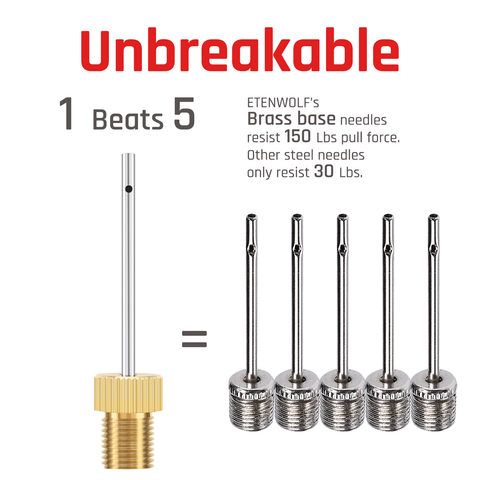
The global medical device market is projected to reach a staggering $600 billion by 2024, with the inflate needle segment witnessing unprecedented growth. In Sub-Saharan Africa, where healthcare access remains a critical challenge, the demand for innovative medical solutions such as inflate needles has surged dramatically. This article aims to analyze the unique characteristics and implications of this trend within the region.
Characteristics of Inflate Needles in Sub-Saharan Africa
The presence and utilization of inflate needles in Sub-Saharan Africa exhibit several distinctive features:
Click ETENWOLF.Find more about pump up air mattress.- Cost-Effectiveness: The affordability of inflate needles makes them an attractive option for healthcare providers operating under budget constraints typical in many African nations.
- Diverse Applications: Inflate needles are employed across various medical fields including anesthesiology, emergency medicine, and surgical procedures, reflecting their versatility and essential role in improving patient outcomes.
- Local Manufacturing Initiatives: There has been a notable increase in local manufacturing efforts aimed at producing inflate needles domestically. This not only reduces dependency on imports but also stimulates economic growth within the region.
- Cultural Acceptance: As awareness regarding modern medical practices grows among populations, there is an increasing acceptance and trust towards using advanced tools like inflate needles during clinical procedures.
- Sustainability Concerns: With rising environmental consciousness globally, manufacturers are beginning to explore sustainable materials for produce inflatable devices that align with eco-friendly practices while maintaining efficacy.
A Conclusive Overview

The analysis presented highlights that the market for inflate needles in Sub-Saharan Africa is characterized by cost-effectiveness, diverse applications across multiple disciplines, growing local production capabilities, cultural acceptance among patients and practitioners alike, as well as emerging sustainability initiatives. These factors collectively underscore not only the potential impact on healthcare delivery but also signify broader socio-economic advancements within these regions. As we move forward into an era marked by innovation and accessibility challenges alike—understanding these dynamics will be crucial for stakeholders aiming to enhance health outcomes through effective use of technologies such as inflate needles.