Why smooth integration still feels rough
Ever step onto a warehouse floor at dawn and feel the hum before the storm? Robotics software is supposed to bring order to that moment, not more noise. Last quarter, a mid-size DC logged 18% idle time as pick queues stacked up behind a single chokepoint—one tiny desync between scanners and bots. So, if the promise is flow, why do the wheels still wobble when the shift hits full speed (yes, even on Mondays)?
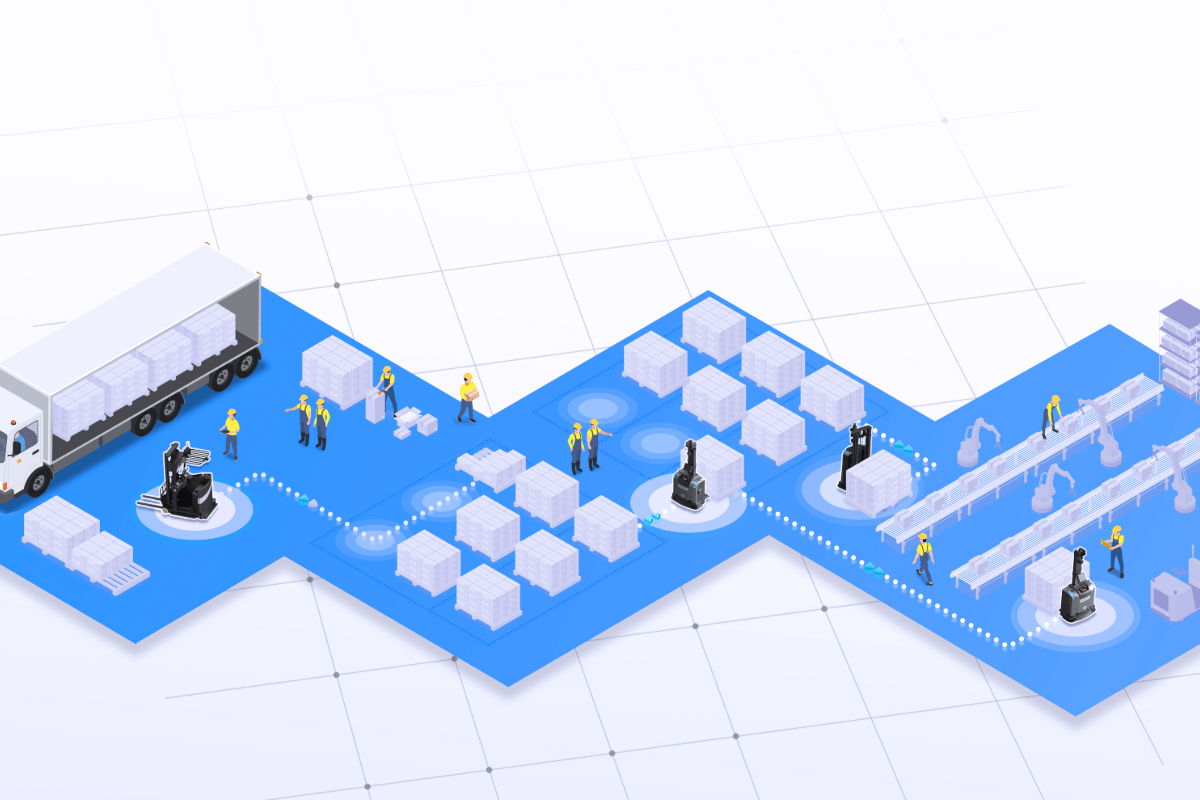
Picture this: pallets arrive early, totes pile up, and workers glance at tablets that are one beat behind. The WMS says go, but the AMRs stall at a busy aisle. Data says up to 30% of cycle time slips on coordination, not speed—funny how that works, right? The question is simple and a bit sharp: is the issue hardware, or the way we stitch software into the real dance of people, docks, and deadlines? Allora, let’s move to the root causes and see where the friction hides.
The deeper fault lines: where legacy tools break
Why do legacy fixes still fail?
Many teams rush to deploy warehouse automation software as an overlay on top of old flows. Direct, yes, but brittle. Technical truth: if your orchestration layer cannot see live queue health, your robots will chase stale signals. Classic PLC handoffs and batch-style updates look neat on paper, yet they miss real-time intent. Look, it’s simpler than you think. Queues change every minute; routes shift with a single blocked aisle. When the message bus runs without clear QoS policies, a small delay turns into a traffic jam. The result is stop–go behavior, hard to debug, and harder to explain to the night shift.
There’s more. Edge computing nodes often sit underused, while decisions float up to the cloud and back. That round trip bloats latency during peak picking. Operators then bypass the system to “just get it done,” which breaks the audit trail. Legacy dashboards hide error sources behind roll-up KPIs, so the team tunes the wrong thing. And the costs creep. Integration patches stack up as custom scripts, each tied to a device driver or a vendor-specific API. One firmware update, and the puzzle tilts. This is why many “fast” rollouts stall after week two—the system is fast at parts, not in flow.
Looking ahead: principles that make upgrades stick
What’s Next
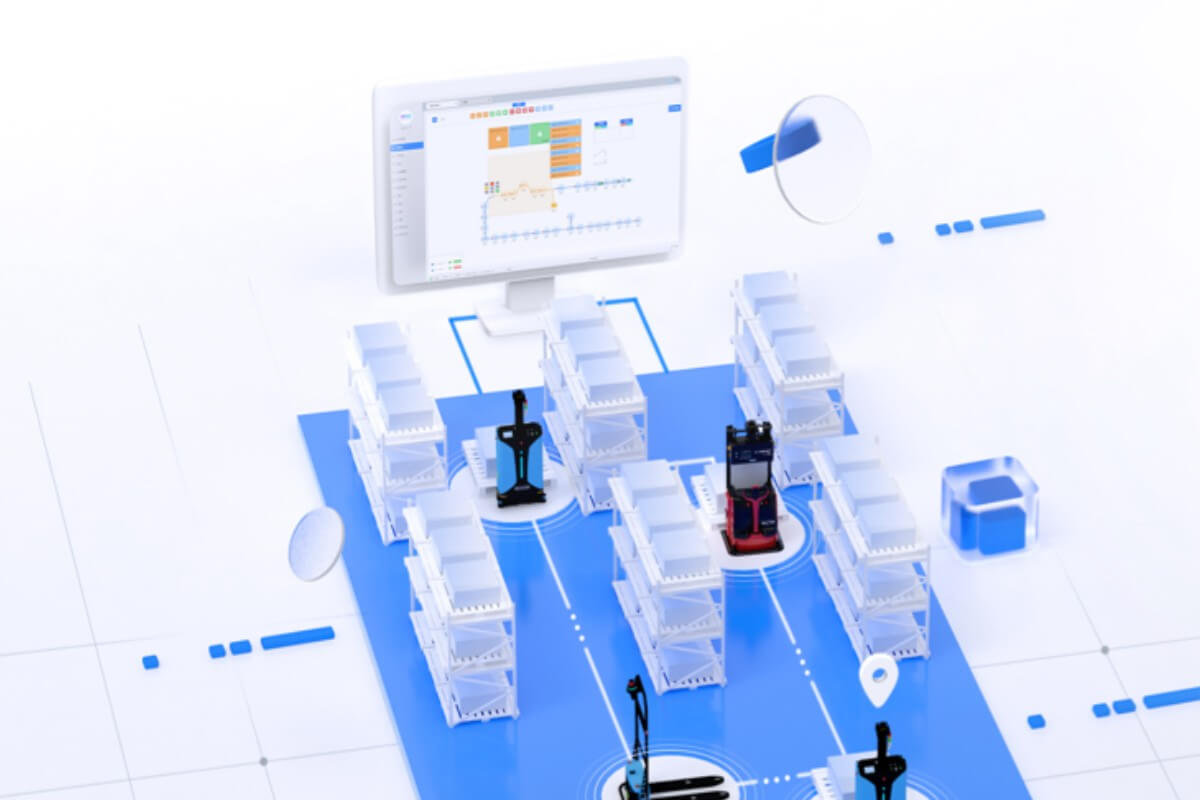
Tomorrow’s gains arrive when we design around flow, not parts. A practical shift is to push decisions closer to the floor and make state visible end to end. That means three habits: event-first design, local autonomy, and transparent control. Event-first design treats every scan, door open, or picker handoff as a signal with context. Local autonomy lets AMRs choose the next best move when a lane blocks, without waiting on the cloud. Transparent control shows queue depth, route heat, and exception reasons in plain view for leads and engineers alike—piano piano, the dance syncs. When warehouse automation software follows these principles, the system adapts before a human even files a ticket.
Compare that with yesterday’s model. Batch jobs were tidy but slow; now, streaming telemetry feeds a lean brain that updates routes in seconds. Instead of raw speed, we favor predictable cadence and graceful degradation. One node fails, another takes the load. Power converters hiccup? The fleet throttles noncritical tasks to keep safety envelopes intact. You keep the rhythm, not just the headline speed. And yes, add a light digital twin for safe testing of layout tweaks—small, local, and useful, not a museum piece. The point is simple: when software respects the warehouse as a living system, upgrades become routine, not heroic.
To choose well, use three clear checks: adaptability under stress (does performance hold when demand spikes by 20%?), true latency to decision at the edge (not just server response), and recovery clarity (can a lead see cause and fix in under five minutes?). Apply these, and your next rollout walks in smoother than the last—funny how that works, right? For further reading and practical frameworks, see SEER Robotics.