In recent years, Ozempic has gained significant attention as a groundbreaking medication for with type 2 diabetes and those seeking help with weight management. As a once-weekly injectable drug, Ozempic has transformed the way patients control their blood sugar levels while also helping in weight loss. But how exactly does Ozempic work, and why is it so effective? This blog explores the science behind Ozempic, its benefits for blood glucose levels control, and its role in weight management.
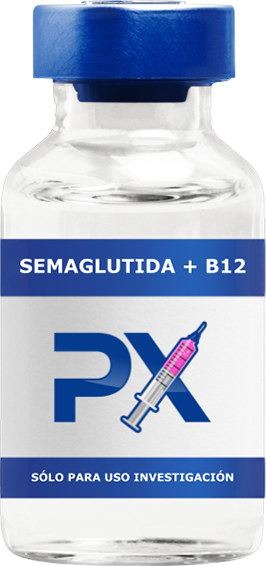
What is Ozempic?
Ozempic, known generically as semaglutide, is a type of medication that belongs to a class of drugs called GLP-1 receptor agonists. It was developed primarily Ozempic Semaglutida Colombia precio for the management of type 2 diabetes but in addition has demonstrated to have beneficial effects on weight loss, making it popular among patients and healthcare professionals alike.
GLP-1 receptor agonists like Ozempic mimic the action of glucagon-like peptide-1 (GLP-1), a hormone that is naturally produced in the gut and plays a critical role in regulating blood glucose levels and appetite.
The Role of GLP-1 within the body
GLP-1 is a hormone released by the intestines when we eat. It has several functions which make it important for managing blood glucose levels and weight:
Stimulating insulin production: GLP-1 helps the pancreas release insulin, which is actually lower blood sugar levels after eating.
Suppressing glucagon: GLP-1 reduces the release of glucagon, a hormone that raises blood sugar levels by signaling the hard working liver to produce stored glucose.
Delaying gastric emptying: It holds back the rate at which food leaves the stomach, helping to regulate appetite and delay the feeling of bounties after meals.
Appetite suppression: GLP-1 reduces hunger by signaling the brain that you are full, helping to control diet.
Ozempic functions by mimicking these actions of natural GLP-1, leading to better blood glucose levels control and weight loss.
How Ozempic Helps Control Blood glucose levels
Blood glucose levels control is important for with type 2 diabetes, as the condition is seen as an the body’s inability to effectively use insulin, leading to high blood sugar levels. Uncontrolled blood glucose levels can lead to serious health complications, including heart problems, kidney damage, and lack of feeling problems.
How Ozempic Brings down Blood glucose levels
Ozempic helps control blood glucose levels through several components:
Increased Insulin Secretion: After eating, Ozempic helps the pancreas produce more insulin when blood glucose levels is high. Insulin is the hormone enabling glucose to enter cells, where it can be used for energy. By promoting insulin release only when needed, Ozempic ensures that blood sugar levels are kept within a healthy range without causing hypoglycemia (low blood sugar).
Reduced Glucagon Secretion: Ozempic reduces the amount of glucagon released by the pancreas. Glucagon is the hormone that signals the hard working liver to produce glucose into the circulatory system. By suppressing glucagon, Ozempic prevents excess glucose from being released, thereby helping to keep blood sugar levels stable.
Slowed Gastric Emptying: By slowing down the emptying of food from the stomach into the small intestinal tract, Ozempic delays the inclusion of glucose into the circulatory system. This step helps prevent post-meal blood glucose levels spikes, which are common in people with type 2 diabetes.
Improved Insulin Level of responsiveness: Ozempic can also reduce the body’s level of responsiveness to insulin over time, and thus cells are more tuned in to the insulin that is produced, further helping to lower blood sugar levels.
Long-Term Blood glucose levels Control
Clinical studies have shown that Ozempic is highly effective at lowering HbA1c levels, which is a measure of long-term blood glucose levels control. Most patients taking Ozempic experience significant savings in HbA1c levels, helping them stay of their target blood glucose levels ranges.
How Ozempic Aids in Weight management
In addition to its blood sugar-lowering effects, Ozempic has been shown to have a profound relation to weight loss. This is particularly beneficial for people who have type 2 diabetes, as weight loss can improve insulin level of responsiveness and reduce the risk of diabetes-related complications.
Appetite Suppression and Reduced Diet
One of the key ways Ozempic aids in weight loss is by reducing appetite. By acting on the brain’s appetite control centers, Ozempic helps patients feel fuller for longer periods, leading to a reduction in diet. Many individuals on Ozempic report eating smaller portions and feeling content with less food, which naturally leads to weight loss over time.
Slowed Gastric Emptying and Satiety
As mentioned earlier, Ozempic holds back the movement of food through the intestinal tract. This delay in gastric emptying not only helps control blood sugar levels but also lengthens the impression of bounties after meals. This dual action makes it easier for to operate their calorie intake, leading to weight loss.
Promoting Fat loss
Studies have demonstrated that patients taking Ozempic lose both fat mass and body weight, especially around the abdominal area. This is important because excess fat, particularly visceral fat (fat around the organs), is associated with increased insulin resistance and a higher risk of heart problems.
The benefits of Ozempic for Type 2 Diabetes and Weight loss
Ozempic’s dual role in both blood glucose levels control and weight management makes it an appealing option for with type 2 diabetes and those struggling with weight-related issues. The benefits of using Ozempic include:
Effective Blood glucose levels Control: Ozempic helps maintain healthy blood sugar levels, reducing the risk of long-term complications associated with diabetes.
Weight loss: Patients taking Ozempic often experience significant weight loss, which can improve all-around health, reduce the need for additional medications, and improve total well being.
Once-Weekly Dosing: Unlike some other diabetes medications that require daily administration, Ozempic is a once-weekly injection, making it far more convenient for patients.
Cardiovascular Benefits: Clinical assessments have shown that Ozempic may also reduce the risk of major cardiovascular events, such as heart attacks and strokes, in patients with type 2 diabetes.
Side effects and Considerations
Like all medications, Ozempic can cause side effects, though not everyone experiences them. The most common side effects include:
Nausea: This is the most frequently reported side effect, especially when starting the medication. However, nausea usually decreases over time as the body sets.
Diarrhea or Constipation: Some patients may experience digestive issues, including diarrhea or constipation.
Injection Site Reactions: Redness, swelling, or discomfort at the injection site may occur.
It is important to discuss with a healthcare provider whether Ozempic is the right choice for you, especially if you have any pre-existing health conditions or are taking other medications.
Conclusion: Why Ozempic is a Game-Changer
Ozempic’s power to simultaneously manage blood sugar levels and assist in weight loss makes it a powerful tool for with type 2 diabetes and those seeking to improve their metabolic health. With its unique action on GLP-1 receptors, Ozempic addresses two extremely critical challenges faced by people with type 2 diabetes—high blood glucose levels and extra weight.