In today’s data-driven world, businesses are inundated with vast amounts of information. For many companies, leveraging this data effectively ca data analysis au n be the key to unlocking competitive advantages and fostering growth. Business data consultants play a crucial role in this process, transforming raw data into actionable insights that drive strategic decision-making. By employing their expertise, organizations can not only streamline operations but also gain a deeper understanding of their market, optimize performance, and ultimately enhance their bottom line.
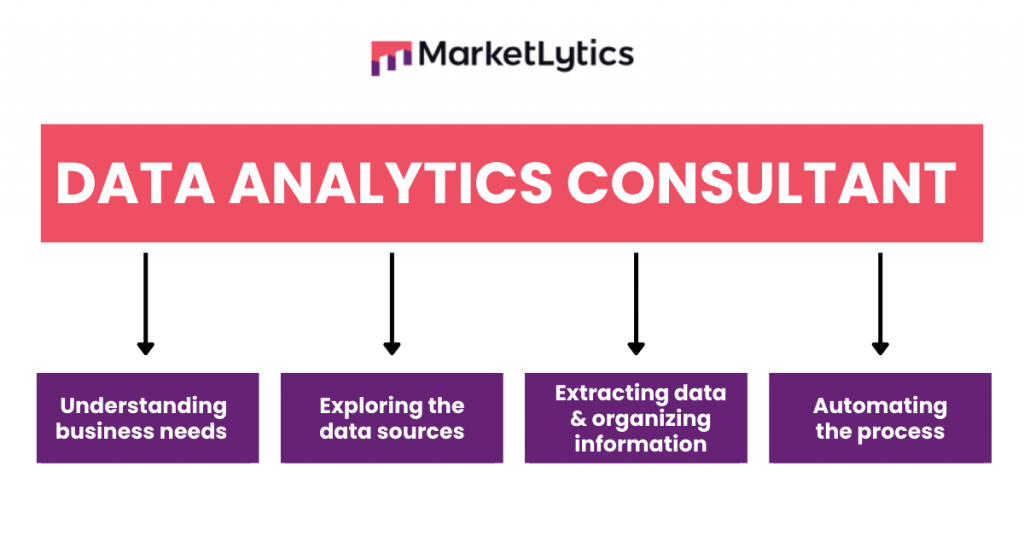
The primary responsibility of a business data consultant is to analyze complex data sets and extract meaningful patterns that can inform business strategies. This involves employing a range of tools and techniques, from statistical analysis to predictive modeling. Consultants work closely with stakeholders to identify key metrics and objectives, ensuring that the data analysis aligns with the organization’s goals. By presenting findings in a clear and accessible manner, consultants enable decision-makers to grasp the implications of the data and implement strategies that are grounded in empirical evidence.
One of the significant benefits of engaging a business data consultant is their ability to identify inefficiencies and areas for improvement within an organization. Through meticulous analysis, consultants can uncover operational bottlenecks, redundant processes, and other issues that may be hindering performance. By recommending data-driven solutions and improvements, consultants help organizations streamline their operations, reduce costs, and enhance overall efficiency. This proactive approach not only boosts productivity but also positions businesses to adapt more effectively to market changes and emerging trends.
Furthermore, business data consultants assist organizations in developing robust data management strategies. In an era where data security and privacy are paramount, having a comprehensive plan for managing and protecting data is essential. Consultants guide businesses in implementing best practices for data governance, ensuring compliance with relevant regulations, and safeguarding against potential threats. By establishing a strong data management framework, organizations can maintain the integrity and confidentiality of their data while maximizing its value for strategic decision-making.
In conclusion, the role of a business data consultant is integral to the success of modern organizations. By leveraging their expertise in data analysis, process improvement, and data management, consultants empower businesses to make informed decisions, optimize performance, and stay competitive in an ever-evolving marketplace. As data continues to play a central role in business strategy, the contributions of data consultants will be increasingly vital in helping organizations navigate the complexities of the digital age and achieve long-term success.