Introduction: scenario, data, question
Have you noticed shops avoid honest cost discussions about air safety? I have — and it matters. A mid‑sized prototyping lab I advised logged a 40% rise in local exhaust complaints after adding two CO2 lasers last year; the phrase “laser cutter fume extractor” showed up in every remediation plan we reviewed. (That gap between purchase intent and performance is where money leaks.)
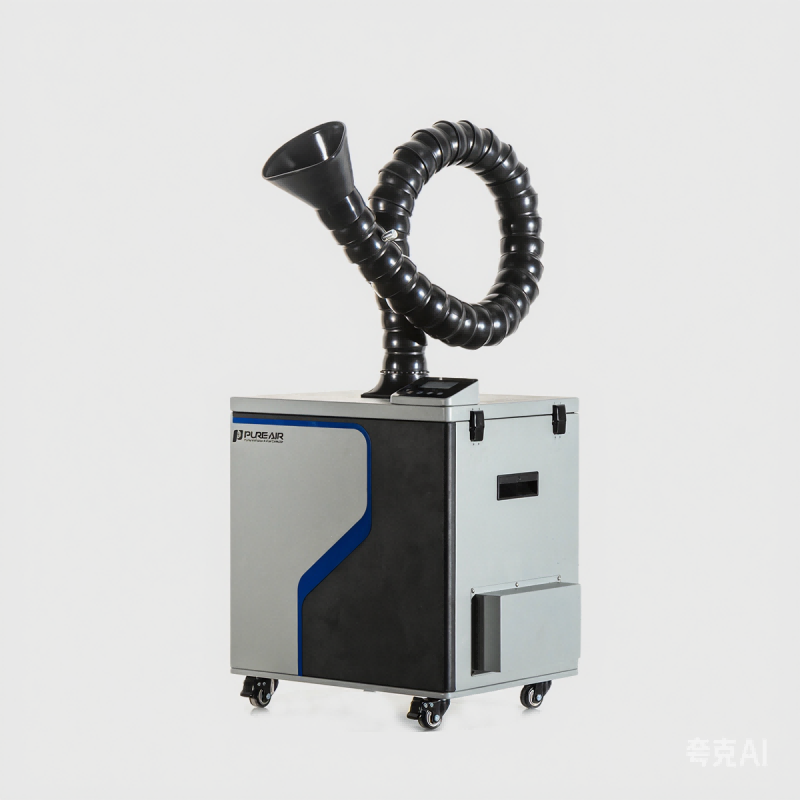
From a business view, the stakes are clear: worker absence, regulatory fines, and downtime hit margins fast. So I ask: are buyers paying for smoke and noise, or for verified control of particulate and VOCs? This piece walks through the practical faults and the paths forward — short, data‑lean, and focused on decisions you can act on next.
Deep Dive: Where traditional systems fail and what users quietly endure
Why do solutions still fall short?
I’ll be blunt: many facilities buy an off‑the‑shelf fume extraction system for laser cutting and expect it to fix everything. It rarely does. Designers focus on headline specs — fan RPM, advertised CFM — while overlooking real world factors like duct losses, filter loading, and VOC breakthrough. That means HEPA filter banks clog fast, activated carbon beds saturate, and a unit rated for “X CFM” under ideal conditions delivers far less at the nozzle. We tested setups with mismatched ductwork and saw effective capture drop by 30% within months.
There are hidden costs too. Poorly placed intakes create turbulence that reduces capture efficiency. Maintenance cycles get ignored because filter changes are costly and technicians are scarce. Add in electronics like power converters driving fans and simple sensors that drift, and the system becomes unreliable. Look, it’s simpler than you think: you need matched airflow, proper filtration stages (pre‑filter, HEPA, activated carbon), and monitoring that reports real capture performance — not just motor speed. — funny how that works, right?
What’s next: case example and future outlook for cleaner cutting
Real-world impact — small shop to production floor
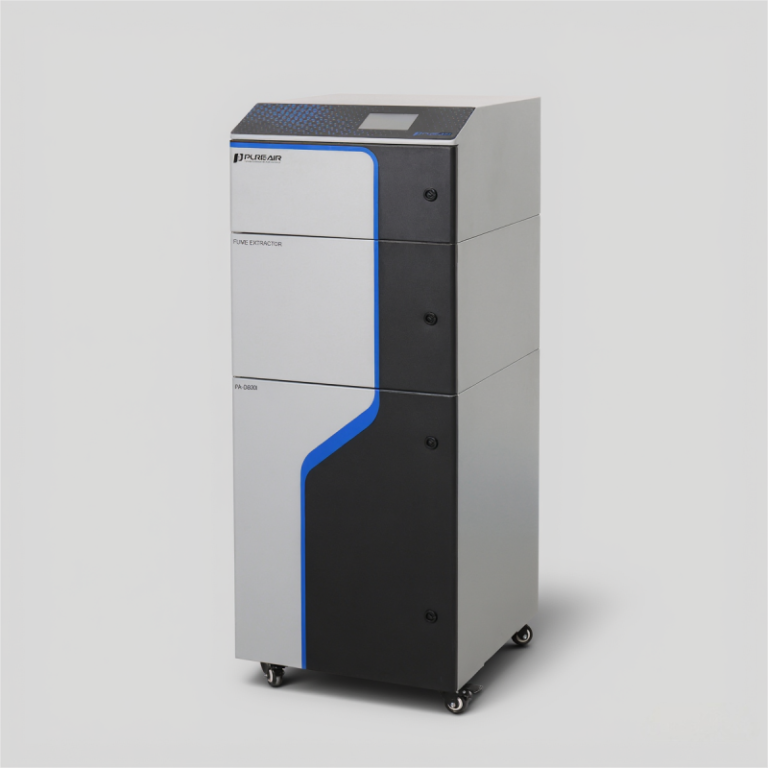
I want to share a short case. A regional sheet‑metal shop upgraded to a packaged fume extraction system for laser cutting and added inline VOC sensors and differential pressure gauges. Within three months they cut filter costs by 25% and reduced missed shifts from odor complaints to zero. The change came from better filter staging, calibrated CFM at the nozzle, and routine data reviews. The lesson: measurable controls beat marketing claims.
Looking ahead, expect tighter integration of sensors and simple analytics (edge computing nodes at the unit, basic dashboards) to be standard. Manufacturers will pair optimized fan curves with smart alerts and modular filter trays for faster swaps. If you’re choosing equipment, focus on three metrics: true capture CFM at the cutting head, filter stage efficiency (HEPA class, carbon mass), and system uptime backed by sensor logs. Those three are my shortlist for vetting vendors — and they keep the business case tidy.
We’ve come a long way from noisy hoods and guesswork. Choose wisely, monitor regularly, and your team stays healthier — and your balance sheet shows it. For reliable systems and support, I recommend reviewing options from PURE-AIR.